Table of Contents
Using AI to Create a Poster Through Code
After "Purple Elf" advanced to the national finals, the pressure of the competition came rushing in. As the person responsible for the poster, I went through countless templates on Canva, yet still couldn't find a design that truly matched the soul of the project. With the deadline getting closer and closer, my anxiety kept building. Then a bold idea suddenly came to mind: since I'm a developer, why not ask AI to generate a webpage according to my logic and then export it as a PDF? At first, I was just experimenting, but the result turned out to be surprisingly efficient—within only an hour, a poster with both strong design and clear structure was born. You can click here to view the poster.
The Strategic Battles on the Competition Floor
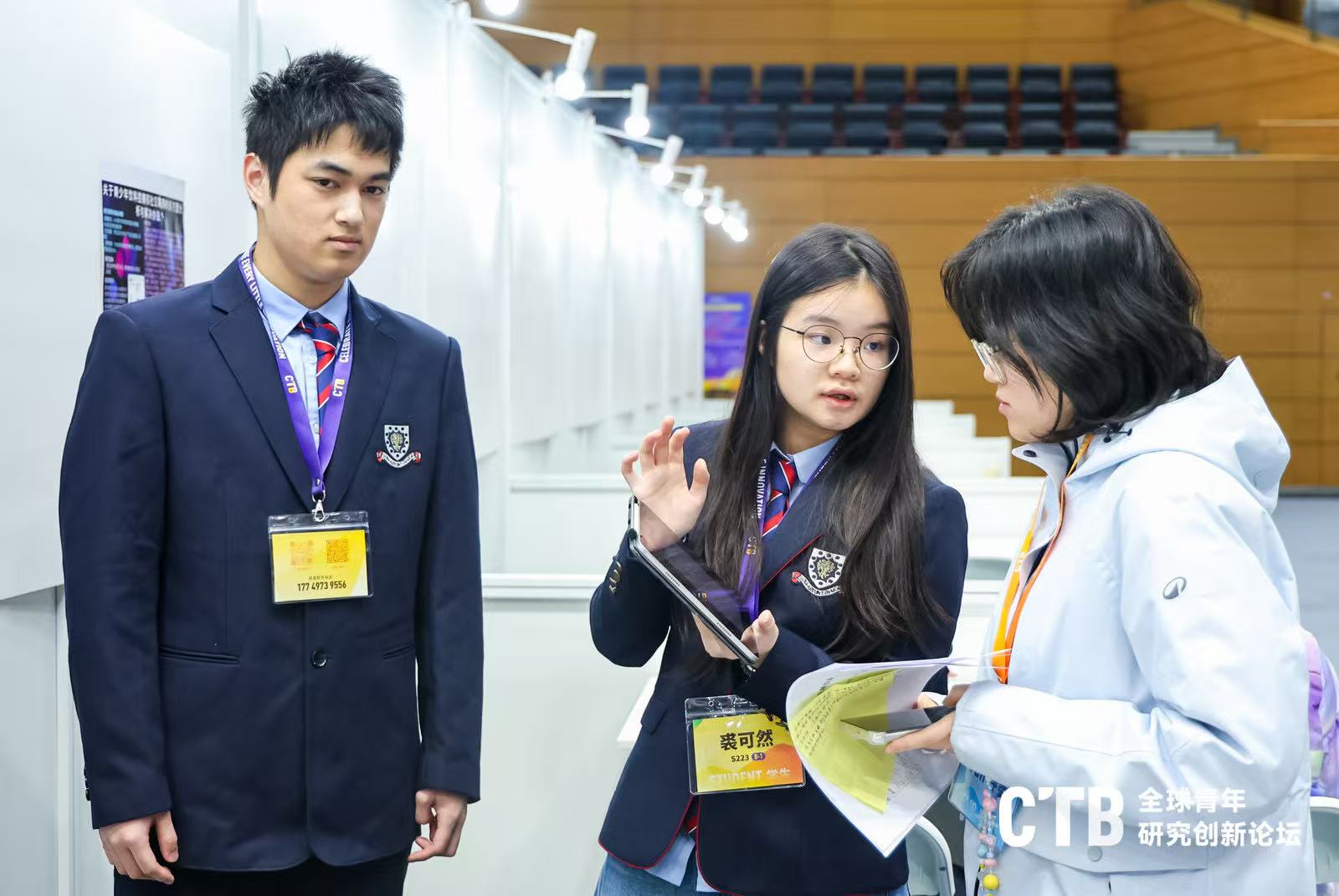
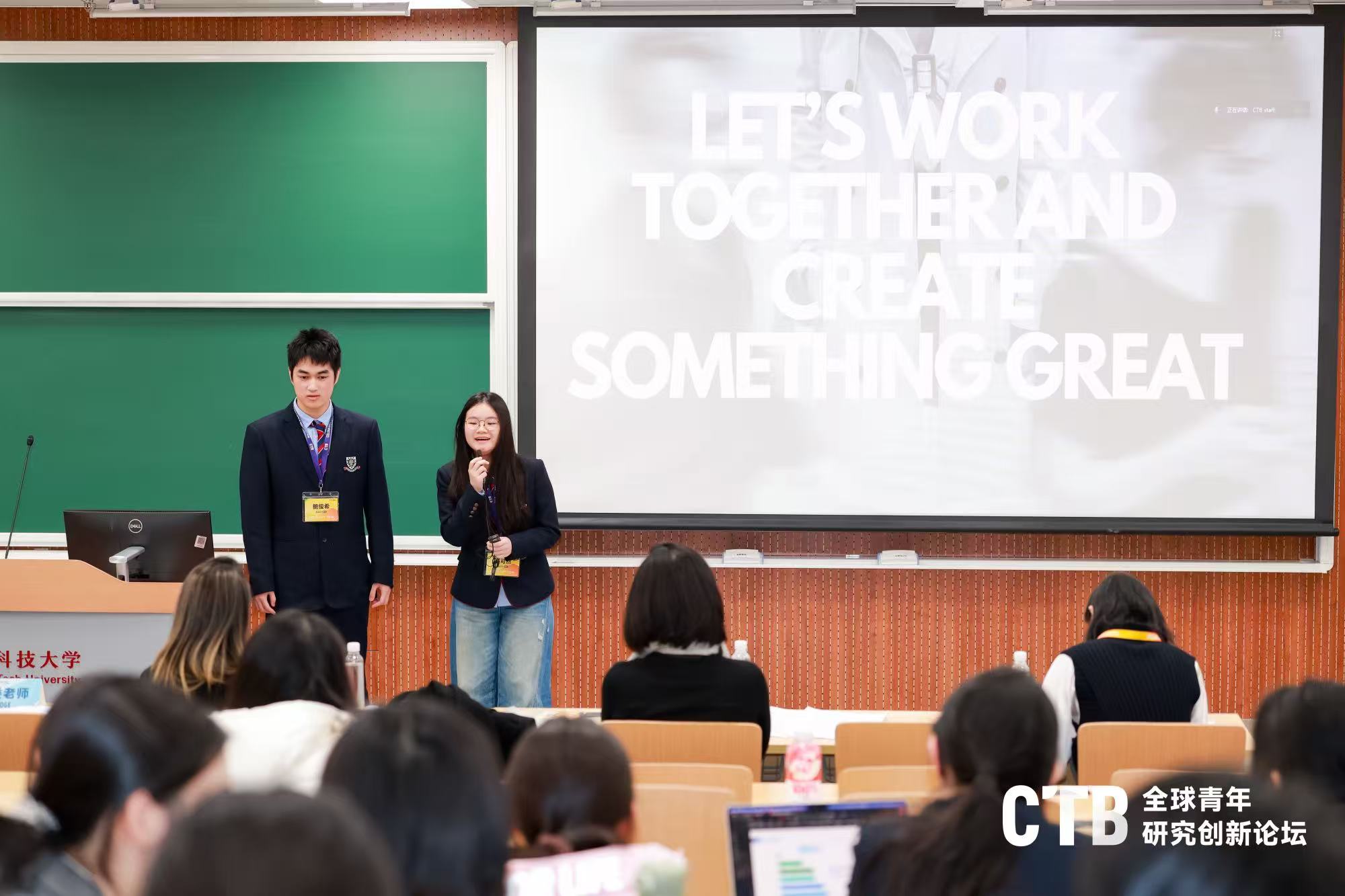
Our first night after arriving in Shanghai was spent in tense rehearsals. The next morning was the poster presentation session, where we had to introduce our project to three different groups of young judges. In the first round, because we lacked experience, we spoke at great length for 8 minutes and left the judges with only 2 minutes for questions. Fortunately, the second group of judges reminded us in time, and we quickly adjusted our strategy, shortening the presentation to 5 minutes and leaving more room for interaction and feedback.
The afternoon expert defense was the real hard battle: 8 minutes for the PPT presentation plus 6 minutes of expert questioning. During the presentation, part of my teammate's section ran longer than it had in rehearsal, and my heart started racing—I was genuinely flustered. At the critical moment, I decisively cut down the section I was responsible for, and that was how we barely managed to finish on time. The Q&A session that followed actually became one of our biggest advantages—because the project was built 100% by ourselves, we answered all kinds of tricky detailed questions from the experts smoothly and with confidence.
The Curiosity Fair
On the second day of the competition, we stepped away from our own booth and joined the "Curiosity Fair." Quite a few contestants praised the fact that we had actually launched our app in a real app store. At the same time, I was deeply impressed by the creativity of other teams. The one that left the strongest impression on me was a smart seat cushion designed for people who sit for long periods. Through a vibration reminder every 45 minutes and a ranking-based competitive mechanism, it turned the idea of building healthy habits into something genuinely fun. That sharp insight into user pain points gave me a lot of inspiration.
An Award Ceremony Like a Roller Coaster
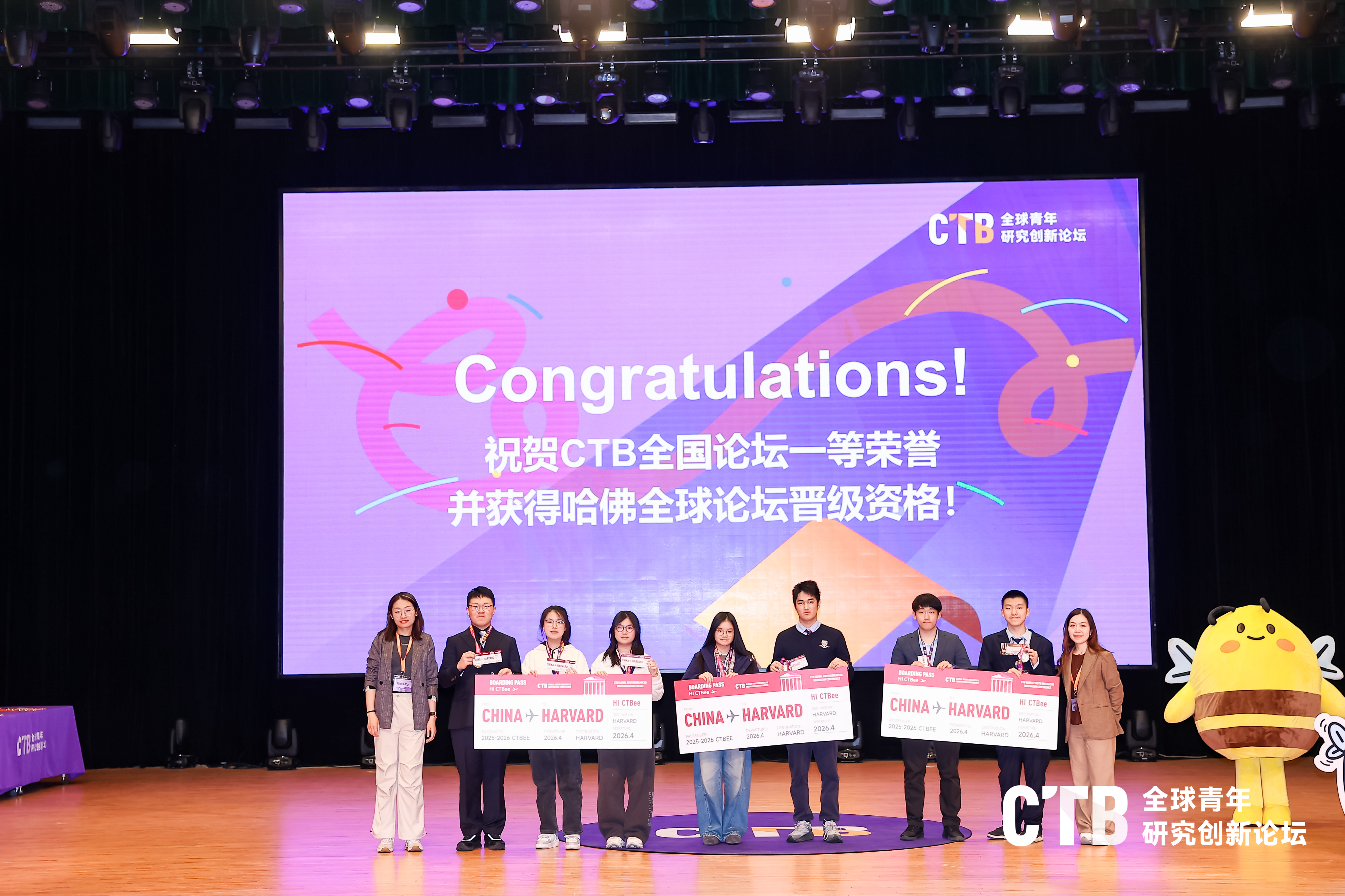
The award ceremony was the most agonizing and unforgettable moment of the entire competition. The list of third-prize winners was announced, and we weren't on it. I tried to reassure myself: maybe we would get second prize. When the second-prize list was also finalized and we still didn't hear the name "Purple Elf," my emotions became unbelievably complicated. I even started wondering whether we were going to go home empty-handed.
"The only possibility left is first prize—but is that really possible?" I kept repeating that silently to myself. Then our name suddenly flashed across the big screen, and in that instant, the shock far exceeded the joy. First prize! From an initial coding idea to the highest honor of the national finals, all the sweat we had poured in—and all those sleepless nights caused by anxiety—became the most unbelievable reality at that very moment.